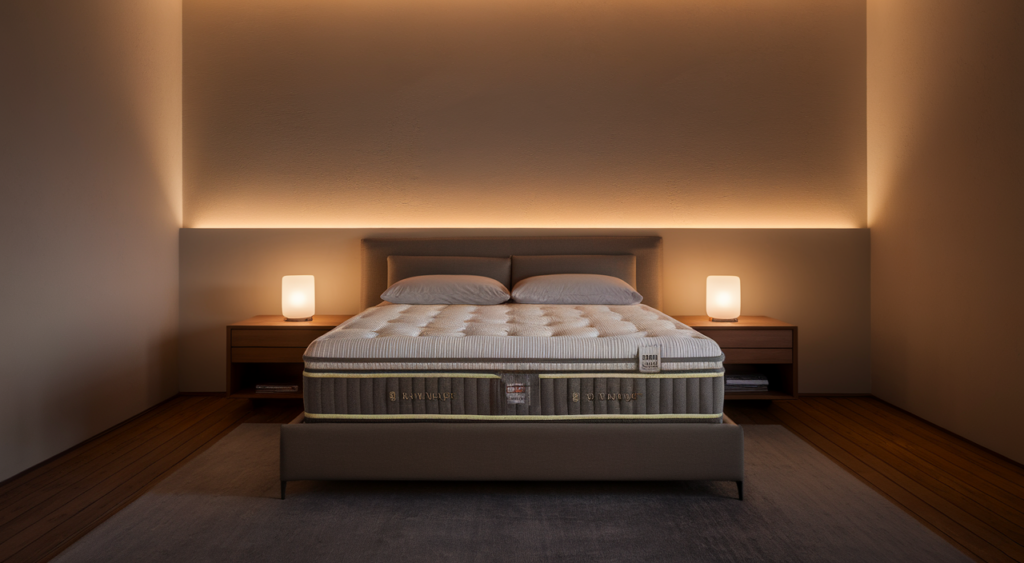
Zoned support mattresses feature strategically designed sections that provide targeted support for different body areas, with varying firmness levels calibrated for optimal spinal alignment and pressure relief. These specialized mattresses typically come in 3, 5, or 7 zone configurations, using different materials and construction methods to create distinct support areas that address specific body needs while maintaining a consistent sleep surface.
Key Takeaways
- Zoned mattresses use firmer materials in areas requiring reinforcement (like the lumbar region) and softer materials where pressure relief is essential (shoulders and hips) to maintain proper body positioning.
- Different sleep positions benefit from specific zoning patterns – side sleepers need more cushioning at pressure points, back sleepers require enhanced lumbar support, and combination sleepers benefit from adaptive multi-zone systems.
- Body type significantly influences zoned mattress selection, with lightweight sleepers needing subtle transitions, average-weight individuals benefiting from standard 3-5 zone systems, and heavier sleepers requiring enhanced support in weight-bearing areas.
- Modern zoning technologies include precision-cut foams, individually wrapped coils with varying tensions, strategically perforated latex, and hybrid designs that combine multiple support methods for comprehensive comfort.
The Science Behind Zoned Mattress Design
Zoned support mattresses are built on a foundation of anatomical science, with distinct sections engineered to provide targeted support for different parts of your body. These specialized designs typically feature multiple support zones—most commonly available in 3, 5, or 7 zone configurations—each calibrated to address specific body areas with varying levels of firmness.
Understanding Support Distribution in Zoned Mattresses
The fundamental principle behind zoned mattress support involves matching firmer materials to areas requiring additional reinforcement, while using softer materials where pressure relief is paramount. For example, the shoulder and hip areas benefit from softer zones that allow these heavier parts to sink in appropriately, while the lumbar region receives firmer support to maintain proper spinal alignment. This scientific approach to support distribution helps maintain natural body positioning during sleep.
The technology behind these specialized support systems spans various materials and construction methods, including:
- Precisely cut foam layers
- Individually wrapped coils with different tensions
- Varying densities of latex
These elements are engineered to create targeted support zones that work harmoniously. As detailed in our mattress firmness guide, these variations in support levels are essential for achieving optimal sleep posture and comfort.
Advanced engineering in modern zoned mattresses focuses on creating seamless transitions between different support areas. This careful integration ensures that while each zone provides specific support, the overall feel remains cohesive and comfortable. The result is a sleep surface that actively works to maintain proper spinal alignment while reducing pressure points that can lead to discomfort or pain during sleep.
How Targeted Support Zones Improve Sleep Quality
Understanding zoned support mattresses explained starts with their strategic design that addresses specific body areas differently. The mattress surface is divided into distinct sections, each calibrated to provide optimal support where needed. A firmer center section supports the lower back and hip area, while softer zones cushion the shoulders and legs.
The scientific approach behind these targeted zones focuses on maintaining proper spinal alignment throughout the night. Different sleep positions require varying levels of support, and zoned mattresses address this by incorporating multiple firmness levels. The shoulder area, for example, features softer materials that allow natural sinking of the upper body, preventing uncomfortable pressure points that can lead to morning stiffness.
Benefits of Zoned Mattress Support Technology
Clinical studies demonstrate that zoned support systems can significantly reduce pressure points and improve overall sleep quality. The strategic placement of firmer support in the lumbar region helps maintain the spine’s natural curve, while softer zones allow proper hip and shoulder alignment. This targeted approach promotes better weight distribution across the entire sleeping surface.
Manufacturing techniques combine different density foams, coil configurations, or latex layers to create these specialized zones. Some models use reinforced materials in the center third, while others incorporate varying coil tensions or foam densities. These purposeful design elements work together to provide comprehensive support that adapts to different body types and sleeping positions, helping to reduce common sleep-related discomfort and promote more restful nights.

Matching Your Sleep Style to Zoned Support
Finding the right zoned support mattresses explained starts with understanding how different sleep positions interact with various support zones. Side sleepers typically benefit most from mattresses with five or more distinct zones, as these designs provide precise cushioning for shoulders and hips while maintaining spinal alignment. The multiple zones help distribute weight evenly and reduce pressure points that commonly affect side sleepers.
Support for Back Sleepers
Back sleepers require different zoning configurations that prioritize lumbar support. The ideal setup features a firmer middle section to prevent lower back sinking, while allowing slightly softer zones at the head and foot areas. This targeted approach helps maintain the natural curve of the spine throughout the night. As explained in our sleep position firmness guide, proper support zoning can significantly impact sleep quality.
Combination Sleepers and Zoned Support
Combination sleepers who switch positions during the night gain advantages from adaptive multi-zone support systems. These mattresses incorporate transitional zones that respond to movement and provide consistent comfort regardless of sleep position. For sleepers weighing over 230 pounds, manufacturers often recommend models with reinforced support zones and thicker comfort layers to ensure proper weight distribution and prevent premature wear.
Zoned Support for Couples
Couples with different sleep preferences might consider split-zoned mattresses that offer individualized support on each side. This specialized design allows partners to select different firmness levels and zoning patterns, creating an optimal sleep environment for both individuals without compromise.

Advanced Materials in Modern Zoned Mattresses
Modern zoned support mattresses explain their effectiveness through innovative material combinations and strategic design. Memory foam manufacturers create targeted support by varying the density levels throughout different sections of the mattress. Higher-density foams provide firmer support where needed, like the lumbar region, while softer densities offer gentle cushioning for shoulders and hips.
Precision-Engineered Coil Systems
Innerspring technology has evolved to include sophisticated zoned coil systems. Manufacturers utilize different wire gauges, typically ranging from 13 to 14.5, to create distinct firmness zones. Thicker gauge coils deliver enhanced support in the center third of the mattress, while slightly thinner coils allow more give in areas where pressure relief is essential. These specific support variations help align the spine properly during sleep.
Natural latex zones are achieved through carefully planned perforation patterns. By adjusting the size and frequency of these perforations, manufacturers create areas with different compression levels without changing the material itself. This technique maintains the material’s natural properties while delivering customized support across different body zones.
Hybrid mattresses represent the pinnacle of zoned support technology, incorporating multiple materials with their own targeted support characteristics. Premium models often feature seven or more distinct zones, each precisely calibrated to match the body’s needs. These zones work together, combining the pressure-relieving properties of memory foam or latex with the targeted support of zoned coil systems, creating a comprehensive sleep surface that adapts to different body parts.
Body Type Considerations for Zoned Support
Different body types require specific levels of zoned support to achieve optimal comfort and spinal alignment. Lightweight sleepers under 130 pounds typically need subtle zoned support mattresses explained through gentler transitions between comfort zones. These sleepers benefit from softer materials in pressure-sensitive areas like shoulders and hips, while maintaining mild support for proper alignment.
Finding Your Ideal Zoned Support Level
Average-weight sleepers between 130-230 pounds generally find standard three to five-zone systems most effective. These configurations provide balanced support across the body, with targeted reinforcement in the lumbar region and softer comfort layers for the shoulders. As your sleeping position and body type influence firmness needs, the zoning helps maintain proper spinal position throughout the night.
Sleepers over 230 pounds require enhanced support systems with additional reinforcement in weight-bearing areas. These mattresses feature denser materials in the center third, providing extra stability for the lower back and preventing excess sinking. Athletes and active individuals may benefit from specialized zoning that offers extra cushioning around major joints while maintaining strong core support for muscle recovery.
For those with specific back concerns, enhanced lumbar support zones become essential. These targeted sections use firmer materials or additional layers to maintain proper spinal alignment and reduce pressure on sensitive areas. The combination of strategic support zones and pressure relief helps create a balanced sleeping surface that adapts to individual body characteristics.

Leading Zoned Support Technologies
Modern zoned support mattresses explained through their core technologies showcase remarkable engineering that addresses specific body support needs. Advanced manufacturing processes now enable mattress makers to create distinct comfort zones using various innovative approaches and materials.
Precision-cut foam represents one of the most common zoning methods, where manufacturers strategically vary the density and firmness of foam layers. These specially designed sections provide firmer support for heavier areas like the hips and shoulders while maintaining gentler cushioning for lighter regions. For example, some high-end memory foam models feature up to seven distinct zones, each calibrated for optimal spinal alignment.
Advanced Coil Systems with Zoned Support
Individually wrapped coil systems take zoning to another level by incorporating springs of different gauges and tensions. These sophisticated designs typically feature stronger coils in the center third of the mattress for enhanced lumbar support, while softer coils cradle the shoulders and legs. As discussed in our mattress firmness guide, this targeted approach helps maintain proper sleeping posture throughout the night.
Natural latex mattresses achieve zoning through strategic density variations created during the manufacturing process. By adjusting the material composition in different sections, manufacturers can produce areas of varying support without compromising the organic nature of the latex. Some premium models combine this with gel grid systems, which feature specialized base layers that respond differently to pressure across various zones, creating an adaptive sleep surface that automatically adjusts to individual body shapes and sleeping positions.
Hybrid mattresses represent the latest advancement in zoned technology, merging multiple support methods into one unified system. These sophisticated designs might incorporate zoned coils, targeted foam layers, and strategic latex sections to create highly effective support patterns that serve various sleep preferences and body types.
For sleepers needing targeted comfort, mattresses with special support zones can help align the spine and reduce pressure points.
Sources:
Applied Ergonomics, 2015: “Effect of Different Mattress Zones on Human Body Pressure Distribution”
Sleep Foundation: “What Is Zoned Support in a Mattress?” (2023)
Consumer Reports Mattress Ratings, 2023
Casper.com: Product Specifications – Zoned Support Foam